Research Streams and Projects
Over the next five years (2025-2030), the Chair will focus on three core streams.
Stream 1: Documenting Policy Evolution and Impact
This stream documents and analyzes two decades of policy shifts in Canada's asylum and immigration policies, identifying which populations have been affected — such as temporary workers, international students, and asylum seekers — and assessing the concrete impacts on their rights, their trajectories, and their access to secure status.
2023-2025
This project, initiated by the Just Solutions legal clinic of the Montreal Community Mission (MCM), was supported by an interdisciplinary research team including M.-J. Blain (University of Montreal/Concordia University- team leader), M. Haydary (Just Solution), T. Sanhueza (University of Montreal), A. Lechaume (Laval University) and Delphine Nakache (University of Ottawa). It sought to document access to legal services and support for non-status or precarious-status migrants in Quebec, by exploring their needs in this regard, their experiences of using services and the outcomes. This was done by considering the different spheres of legal services, such as immigration (e.g. regularization, status renewal, hearings, etc.) and family law (e.g. divorce, child custody; labour law (e.g. harassment, workplace accidents); and housing and criminal law.
Resources:
View our ‘Access to Justice Report’ at https://www.solutionsjustes.org/recherche (only available in French for now)
Section 91 of the Immigration and Refugee Protection Act (IRPA) regulates who may provide immigration advice and representation in Canada. This creates questions for NGO staff about how they may legally support migrant workers. This research investigates how NGO personnel navigate these legal and institutional parameters, with the aim of developing a practical toolkit to enhance their capacity to assist migrant workers. By providing timely, accurate information from familiar and trusted sources, the toolkit will help connect migrant workers with appropriate support. Ultimately, improved front-line services will lead to more successful applications, fewer emergency legal interventions, and better allocation of resources among legal clinics and immigration practitioners.

Resources:
Public Lecture: Bridging Law & Practice: Supporting Migrant Workers through NGO Capacity Building
To contact Jane with questions or comments about her research:
Stream 2: Analyzing International Commitments vs. Domestic Implementation
This stream asks whether and to what extent Canada's domestic migration practices align with its international human rights commitments.
2025 - 2027
A collaboration between Journalists for Human Rights, the University of Waterloo (Prof. Anna Purkey), the University of Ottawa (Prof. Delphine Nakache), and key civil society partners, including the NGO Pour les réfugiés.
In recent decades, a growing number of governments have sought to silence those who denounce human rights violations and to tighten restrictions on human rights actors. At the same time as these threats have increased, the protection spaces available to those seeking protection have shrunk and/or become more difficult to access as states harden their borders and reduce resettlement quotas.
This research project aims to address a gap in the literature by examining existing (and former) protection pathways for human rights defenders, both in Canada and in other countries, with the goal of identifying a set of best practices for the design and implementation of such initiatives in Canada and to provide policy recommendations to support their implementation.
Stream 3: Conducting Comparative International Analysis
This stream compares the legal situation of temporary migrants and asylum seekers in Canada with that of countries facing similar challenges, in order to identify what works elsewhere and develop rights-based policy recommendations adapted to the Canadian context.
In progress [Doctoral Thesis Project, Christiana Sagay]
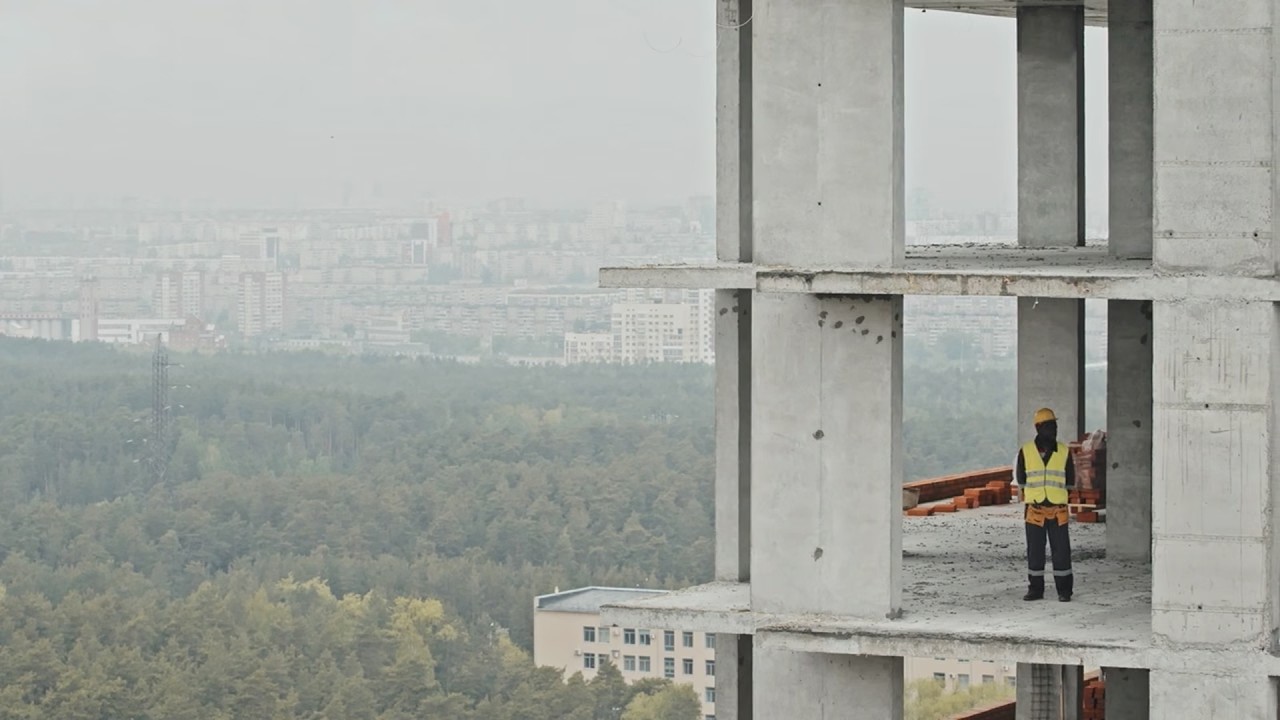
This PhD research interrogates the framing of Bilateral Labour Agreements (BLAs) as neutral tools for "safe, orderly migration." It examines how the structure, temporality, and selectivity of BLAs can echo governance logics of extraction and exclusion. The research focuses on the tension between migration diplomacy — interstate bargaining and foreign policy dimensions — and the actual protection of migrant workers' rights. It asks how BLAs might be reimagined as sites for redistributive justice and accountability for migrant workers.
This is ongoing work, but it opens up space to ask: What would a truly care-based, migrant-centred juridical framework for BLAs look like in practice?
Resources:
To contact Christiana with questions or comments about her research:
Cross-Stream Initiatives
2023-2025
Funded by the Fonds France Canada, this project, led by Professors Thibaut Fleury Graff (Paris II) and Delphine Nakache (UOttawa), examines the legal and diplomatic challenges of refugee resettlement and complementary pathways in France and Canada. It analyzes international frameworks, national policies, and selection criteria to identify barriers and best practices for improving access to these protection mechanisms.
Principal Investigator: James Milner (Carleton University). Delphine Nakache is Co-Investigator and leads Research Working Group 3 on Policy Processes.
2025-2030
This project, funded as a Partnership Grant by the Social Sciences and Humanities Research Council of Canada (SSHRC), aims to ensure that the knowledge and expertise of those most affected by displacement more reliably and substantively informs forced migration research and the global refugee regime, leading to more effective, legitimate and accountable research, policy and practice. It is founded on a shared belief in the need to transform our approach to forced migration research by amplifying the agency of those most affected by displacement and by adopting a deeply inclusive, interdisciplinary, collaborative and localized approach to the co-production of knowledge.