Practicum Artifact 1: Micro:bit Coding
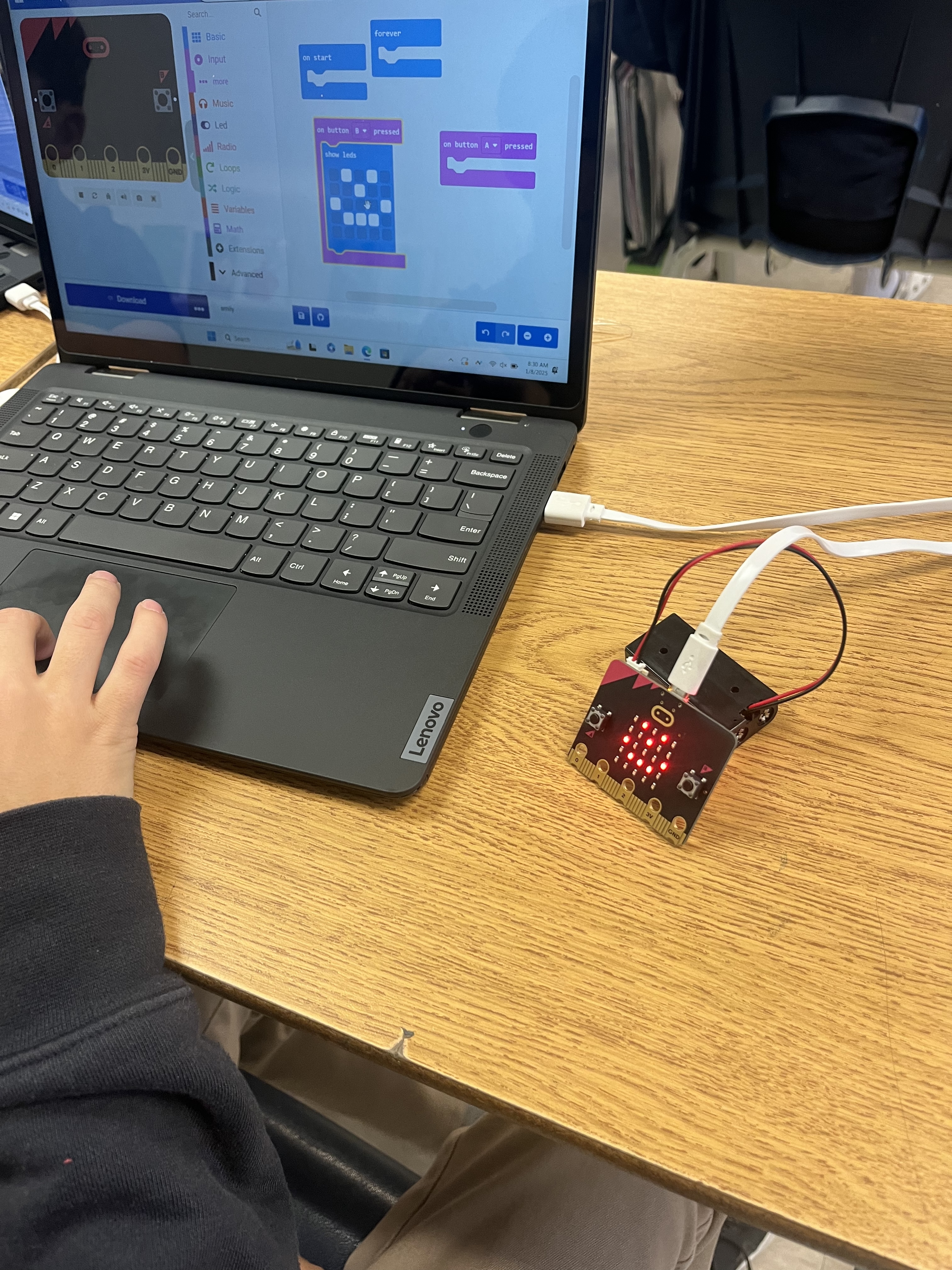
Making Math Fun and Hands-on
When I was in school, we barely had access to computers. Now coding has it’s own strand under algebra in the grade 7 Ontario math curriculum.
C3 Coding. C3.1: “Solve problems and create computational representations of mathematical situations by writing and executing efficient code, including code that involves events influenced by a defined count and/or subprogram and other control structures”.
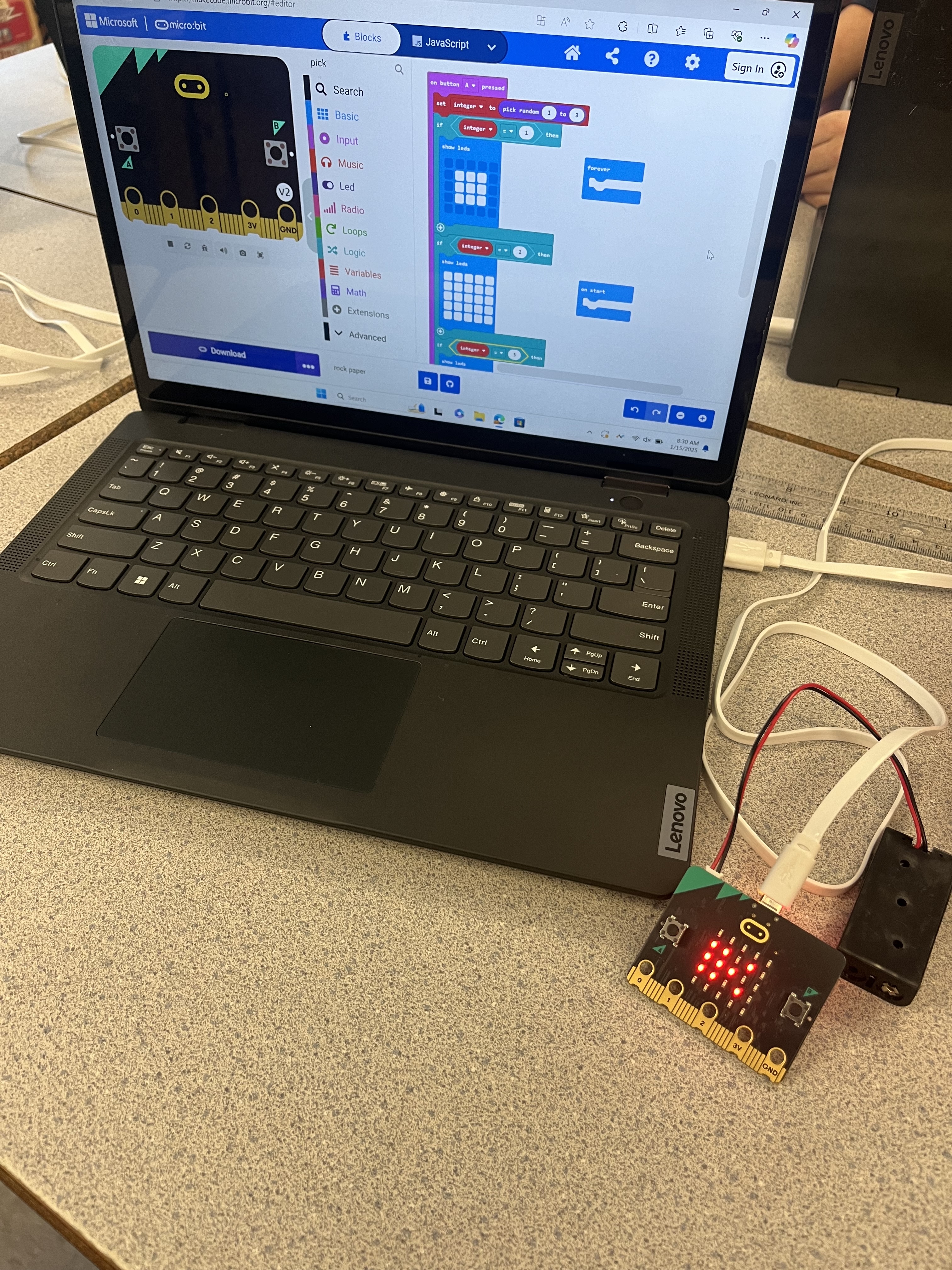
Every Wednesday I have been leading “Micro:bit Wednesdays” with all three math classes.
We started in December with simply programming a smiley face. Since then we have programmed the micro:bits to play rock, paper scissors, turning it into a class tournaments. We also coded the Micro:bits to read temperature, going around the school to find the hottest/coolest areas.

I chose this artifact to illustrate that new learning opportunities arise through teaching.
As I have had to teach myself how to code from scratch to implement these lessons, because of this I have gained these great resources to add to my teaching toolbox. Which I can now look to implement coding in my future phys-ed, biology, and science classes.
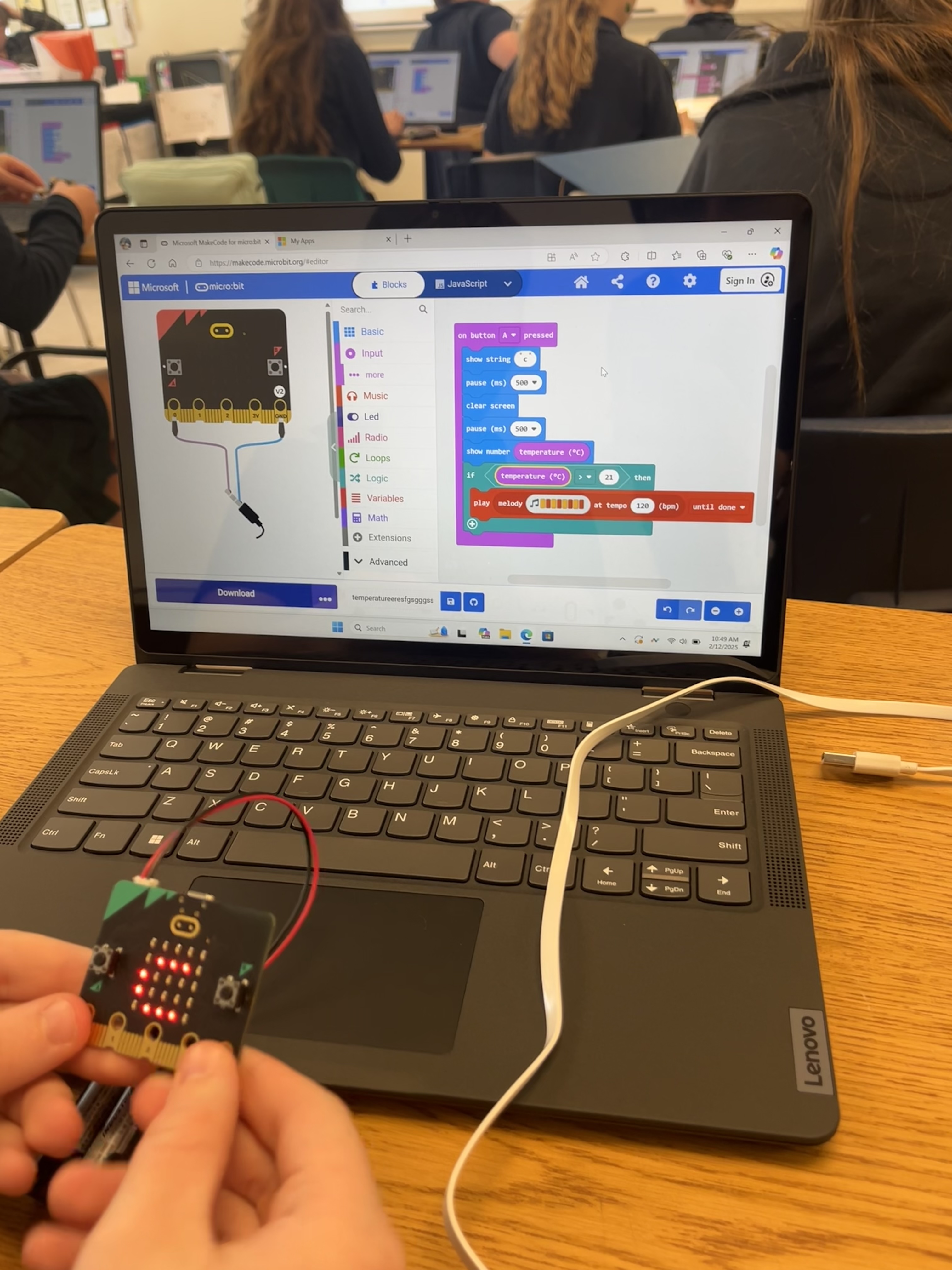
Getting to teach these coding lessons has been a great example of my commitment to furthering my professional learning and knowledge.
Which also directly connects to my philosophy of teaching, as I may not be looking to be a math teacher, or have any background in coding. But I am willing to take on the challenge of learning a new task for the betterment of the students and my professional knowledge base.
Practicum Artifact 2: Leaf Pottery

Multi-Step Art Project That Students can Take Home
Creating and presenting a physical piece of art is a crucial piece of the curriculum.
Included under that is D1.4 “Use a variety of materials, tools, techniques, and technologies to determine solutions to increasingly complex design challenges such as sculptures for example”.
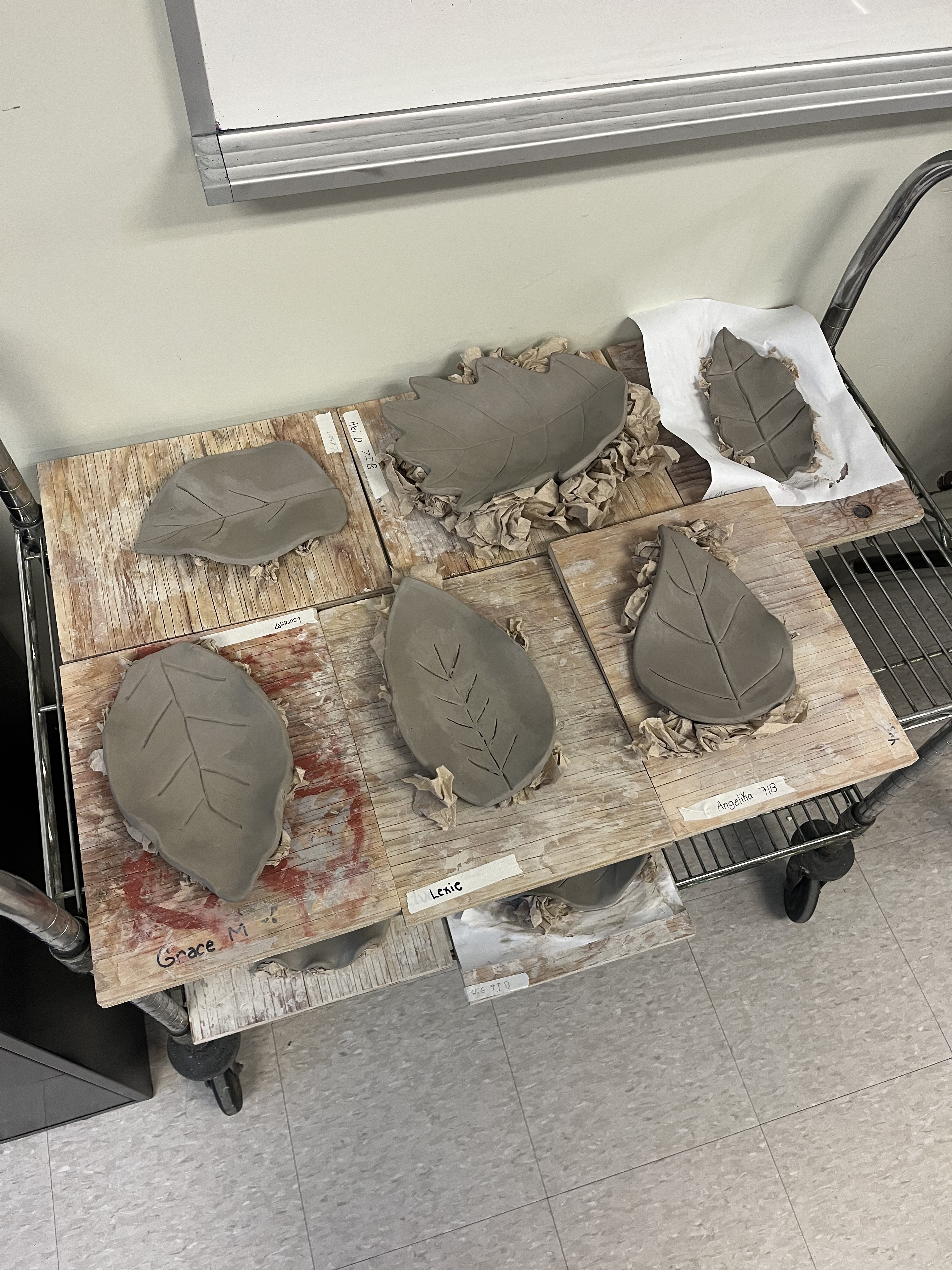
Across the 60 students, it took around six class hours for everyone to complete every step.
For my Associate teacher it was her first time teaching grade 7 art, so we worked through the project together. Making it a great opportunity to collaborate with other educators, as other art teachers provided supplies and advice on how to best execute this multiple day project.

I chose this as an artifact as it embodies the importance of creativity and patience.
This picture is the final result of my personal leaf I made. By getting to work through and lead students through this process I deepened my appreciation for hands-on learning and it’s effect on student engagement.
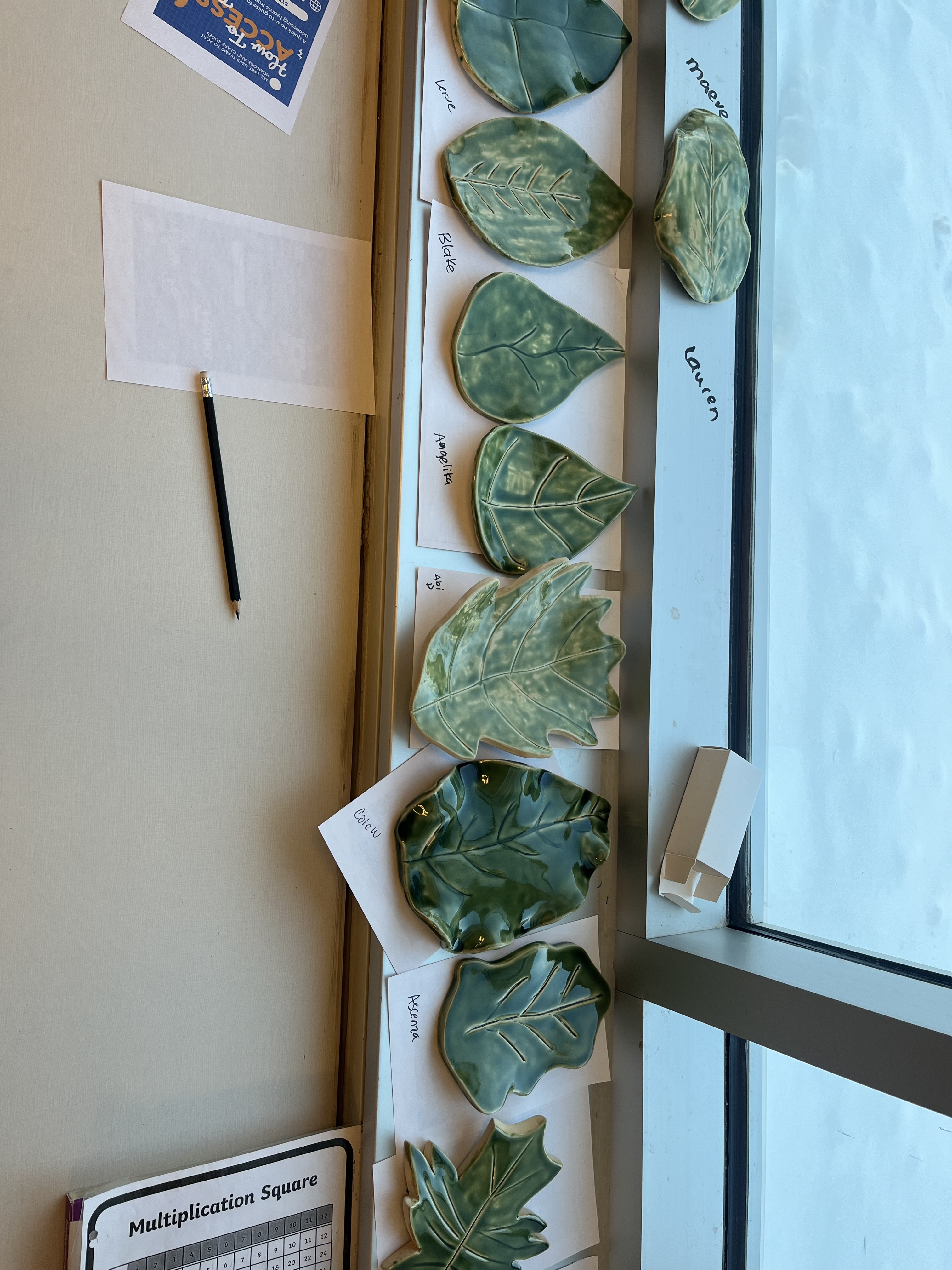
Professional learning and commitment to student learning.
This is another example of me working outside my skill set to provide students with a comprehensive learning experience. Giving students the opportunity to learn and be creative to bring home a project they can be proud of.
Practicum Artifact 3: Mystery Integer Assignment
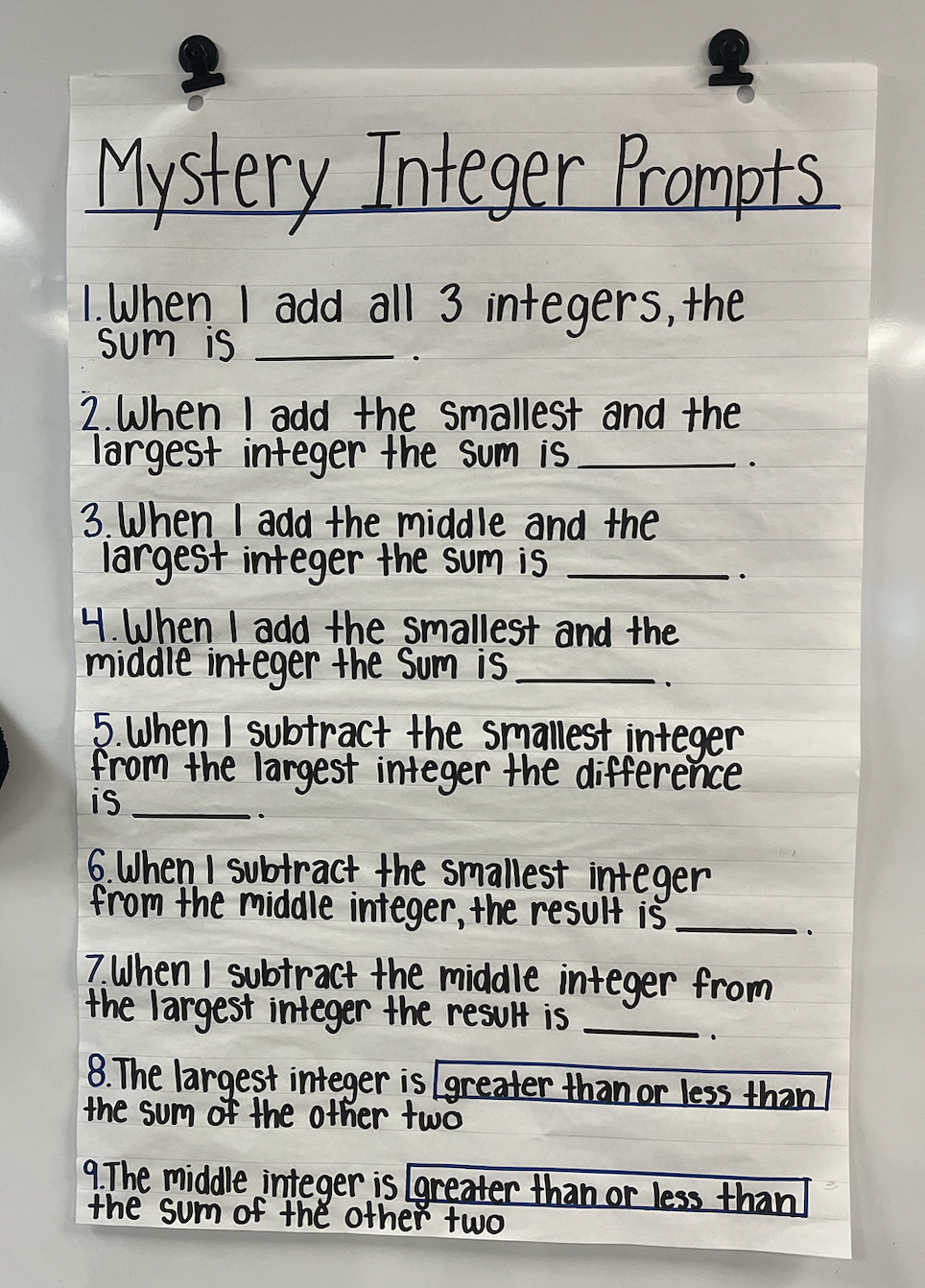
Culminating Assignment for Integers Unit
The first culminating assignment I facilitated as a teacher candidate.
It was designed to be a written assignment where students would individually create their own integer problems with the help of the examples given. These problems would the lead people solving the statements to the “mystery integers” of the student’s choosing.
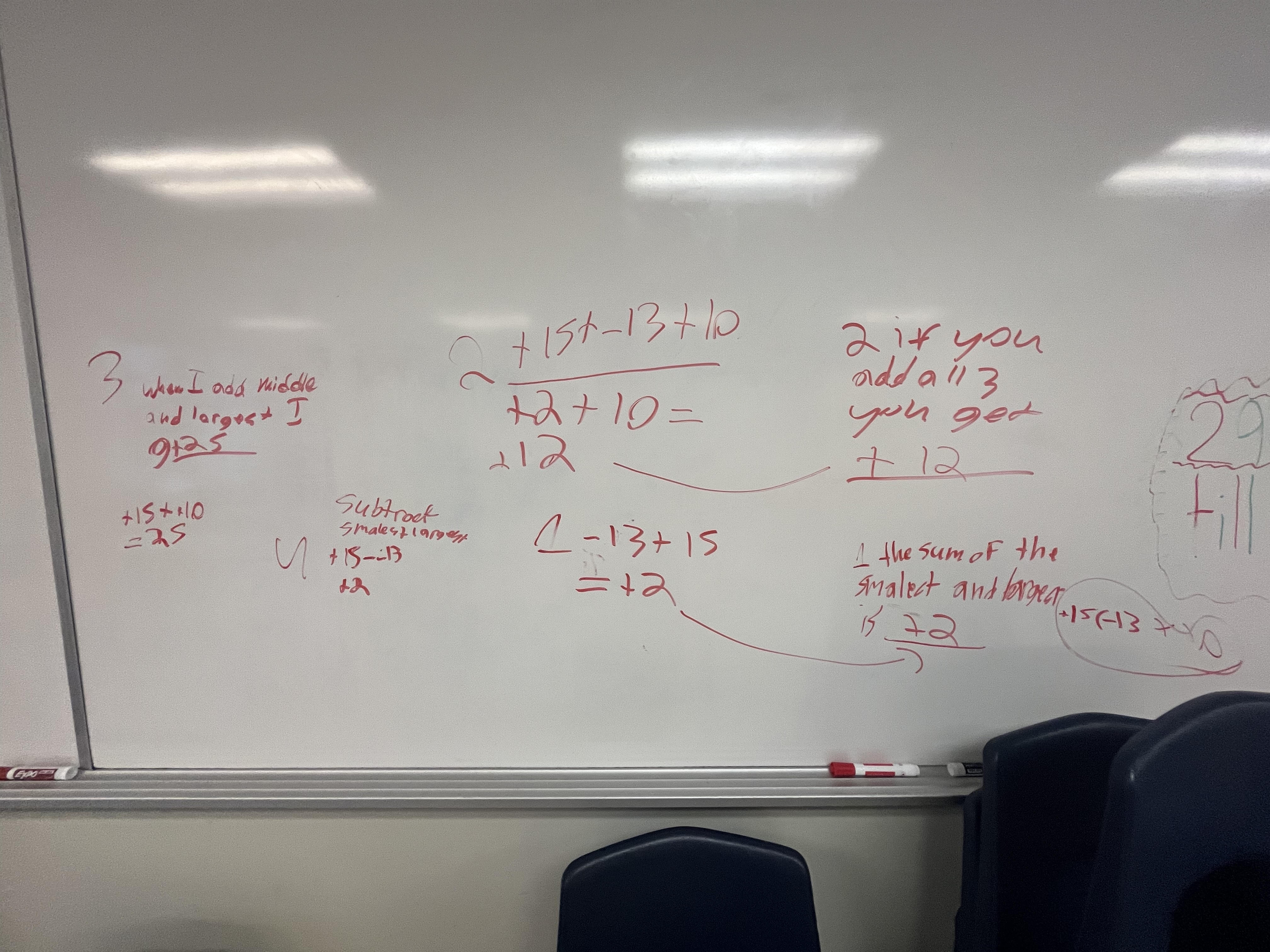
Example of differentiation for student success.
I chose this as an artifact because one of the students only did the math on a whiteboard. So instead of pressing for a hard copy submission, I instead took a picture of the whiteboard and marked it. As the student did excellent work meeting all of the actual math expectations.