Heart and Well-Being Study
Adults newly diagnosed with cardiovascular diseases (CVD) such as heart failure, stroke, and coronary artery diseases, report high rates of depression and anxiety in the months following diagnosis and onset of treatment. These patients are also likely to experience cognitive decline, particularly involving memory, attention, and executive function. Psychological distress can, in

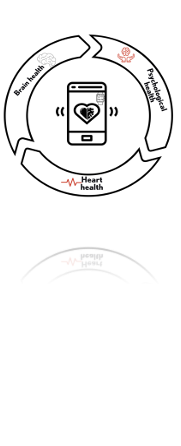
Individuals newly diagnosed with cardiovascular diseases (CVD) such as heart failure, stroke, and coronary artery diseases, report high rates of depression and anxiety in the months following diagnosis and onset of treatment. These patients are also likely to experience cognitive decline, particularly involving memory, attention, and executive function. Psychological distress can, in turn, negatively impact cardiovascular health. Depression and anxiety are associated with more unhealthy lifestyles, such as smoking, binge drinking, and physical inactivity, exhibiting poor medication adherence, and experiencing higher levels of inflammation and stress hormones, all of which are detrimental to cardiovascular health and normal cognition. The occurrences of CVD and cognitive decline adversely affect psychological health, and poor psychological well-being further deteriorates cardiovascular health and cognitive decline, highlighting the need for integrated approaches to early identification and treatment that address both physical and mental health aspects.
This project aims to leverage on advanced technology and artificial intelligence (AI) to comprehensively explore the dynamic nature of the reciprocal relationships between the heart and the brain and generate insights into human behavior to predict negative heart and brain health outcomes before they occur.