Yellowknife Health Effects Monitoring Program
The Yellowknife Health Effects Monitoring Program (YKHEMP) is a study that measures arsenic, cadmium, and other chemicals of potential concern in local populations affected by the legacy of Giant Mine.
Funded by Crown-Indigenous Relations and Northern Affairs Canada

Food, Environment, Health, and Nutrition of First Nations Children and Youth
The Food, Environment, Health, and Nutrition of First Nations Children and Youth (FEHNCY) study is a multi-year research study that looks at the nutrition, health and environment of First Nations children and youth aged 3-19 in communities through partnerships and community participation.
Funded by Indigenous Services Canada

Co-developing innovative approaches with Indigenous partners to foster coastal resilience, food security, and sustainable marine harvests
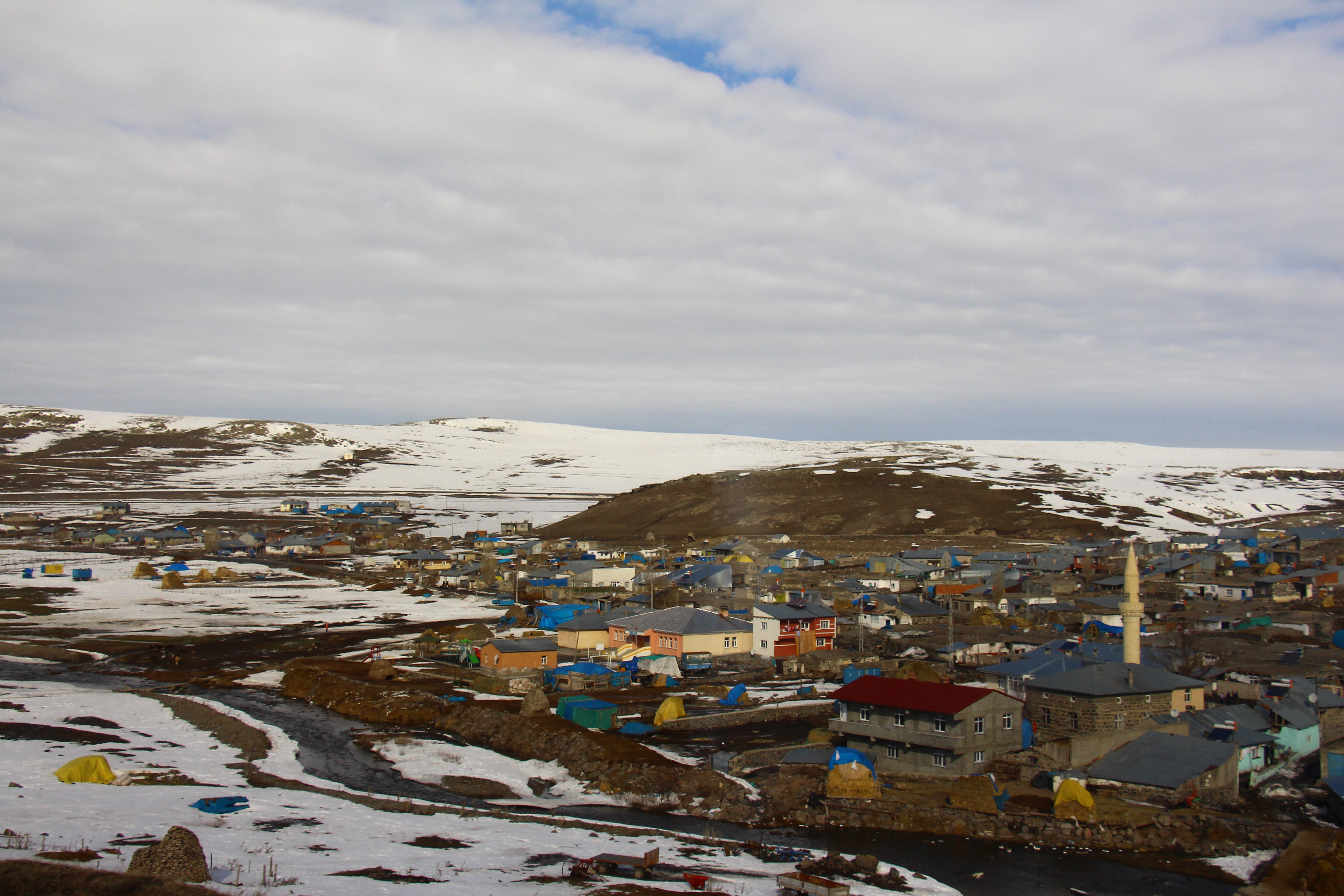
In collaboration with Inuit leaders, Elders, public health representatives from the Government of Nunavut, and local hunters and trappers, we are studying the consequences of socio-environmental changes on the current diet, culture, and overall health of Inuit in Qikiqtarjuaq. This CIHR project is co-led by Dr. Mélanie Lemire of Laval University, and will lead to the development of joint strategies to improve food security.
Funded by the Canada Institutes for Health Research
Developing adaptation strategies for healthy fisheries and food security for First Nations in British Columbia under climate change
With the support of the University of Ottawa Research Institute, we are co-developing adaptation strategies for healthy fisheries and food security under alternative climate change scenarios. This work applies species distribution models, existing data from the First Nations Food, Nutrition, and Environment Study and new data on FSC (Food Social and Ceremonial) that is being collected over the course of the study.
Funded by the Canada Institutes for Health Research

Advances in Mercury Toxicity and Risk Assessment
With the support of the Natural Sciences and Engineering Research Council, we are studying the underlying mechanisms of delayed effects of MeHg prenatal exposure, the modulating effects of gut microbiota on mercury elimination, and the development of biomarkers for Hg exposure in keystone wildlife species. We aim to apply the results of this basic research in the development of risk assessment and risk management frameworks.
Funded by Natural Sciences and Engineering Research Council (Discovery Grant)